Instagram Sales Funnel for High-Ticket Offers: Ads, Profile, Lead Magnet, First DM
An Instagram sales funnel for high-ticket offers, fixed from the top: follower ads, a profile that keeps their promise, a matching lead magnet and the first DM.
 Maciej RakCEO and co-founder
- 10 min read

A high-ticket sales funnel on Instagram has four parts: a follower ad that attracts your ideal client, a profile that keeps the ad’s promise, a lead magnet that continues the same topic, and a first message to every new follower. Fix them in that order. The higher the leak sits in the funnel, the more it costs you, because everything below it works on fewer people.
Think of the funnel as a pipe with holes in it. There is no point patching a hole in the middle while half of the water pours out at the start. If your profile loses half of the people who land on it from an ad, a better sales script will not save the month.
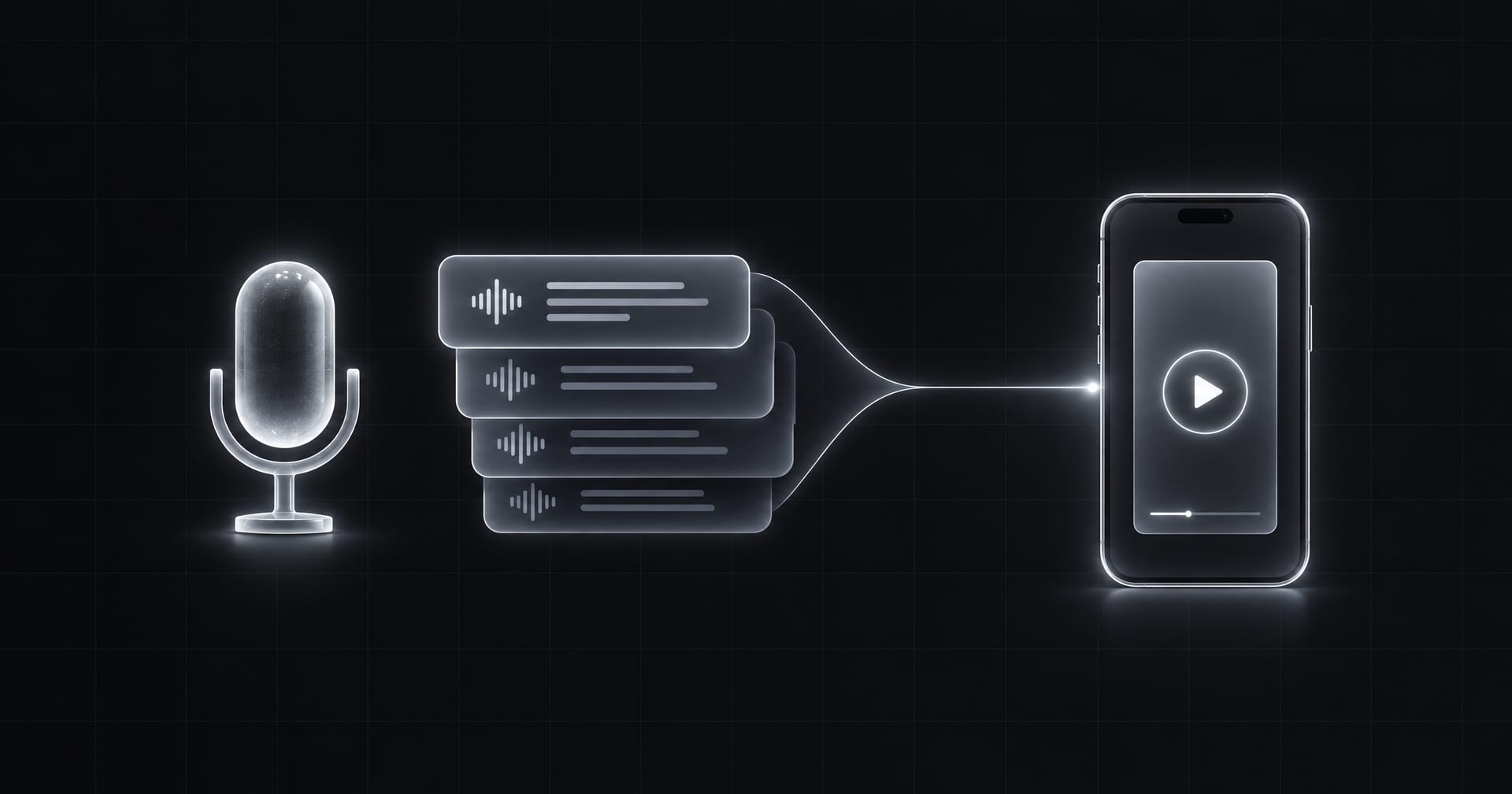
I walk through the whole funnel in the video above. Here is the order I use, step by step.
The order: where to fix your funnel first
These are the stages I check, top to bottom. The numbers you track at each stage tell you where the biggest hole is.
| Stage | What you check | What to track |
|---|---|---|
| 1. Follower ad | Does it call out exactly the person who buys from you? | Cost per follower |
| 2. Profile | Does the bio, pinned content and first nine posts match the ad’s promise? | Share of ad visitors who follow |
| 3. Lead magnet | Is it the next step on the same topic as the ad? | Share of followers who ask for it |
| 4. First DM | Does every new follower get a message, fast? | Reply rate and booked calls |
| 5. Below that | Script, show-up rate, close rate, retention | Cost per qualified call, cash collected |
Only once stages 1 to 4 work do I move on to the script and the calls. If that is where you are, read how to reduce no-shows on sales calls.
1. Follower ads: the top of the funnel
Follower ads are the foundation of an Instagram funnel for a high-ticket offer. Their job is not to get as many followers as possible. Their job is to attract people who look like the ones who already bought from you.
That means knowing the person well:
- Current situation. What is going on in their life right now and what problems they face.
- Desired situation. Where they want to be and what they really want.
- Similarity to buyers. Do these circumstances match the people who paid you before?
Then test. Every week or two, put a few new follower ads live and check which of the ones that call out your audience precisely has the lowest cost per follower. An ad you recorded three months ago will not keep working the same way for another three months, so refreshing ads is part of the job, not a one-off.
Cost per follower is the number that moves the economics of the whole business. If it rises from 2 to 4 zł, you pay twice as much for the same client as you did two months ago. As a reference point from my practice: clients selling fitness programs at around 3,000 zł (about $800) get followers for 2 to 3 zł (about $0.55 to $0.80). If you pay 6 zł per follower on a similar offer, you have room to cut your cost of acquiring a client by up to half.
How to write the ad itself, from your clients’ own words, is in the guide on Instagram follower ads that attract buyers and in the video This follower ad prints money.
2. The profile has to keep the ad’s promise
The second stage is what a person sees when they land on your profile: the bio, the pinned content and the grid. This is where you either keep them or lose them.
The rule is simple: the profile has to deliver exactly what the ad promised. If your ad speaks to people in one specific situation and invites them to follow for more help with it, that is exactly what the profile should show. Look at the call to action in the ad and the intent it creates, then check that the bio, the Reels and the Reel covers continue the same story.
Watch this every time you launch a new ad. Day to day you can see the cost of a qualified sales call go up without realizing that profile conversion fell, simply because the new ad promised something the profile does not show. Without a tool that tracks it, this is hard to measure. You want to know what share of people who land on the profile from a follower ad actually follow, and what a qualified call costs you.
3. The first nine posts are not your last nine Reels
The first six to nine tiles of your grid, plus anything pinned, should not be random. They should not just be the last nine Reels you happened to post. Nobody builds a funnel that sells well by accident.
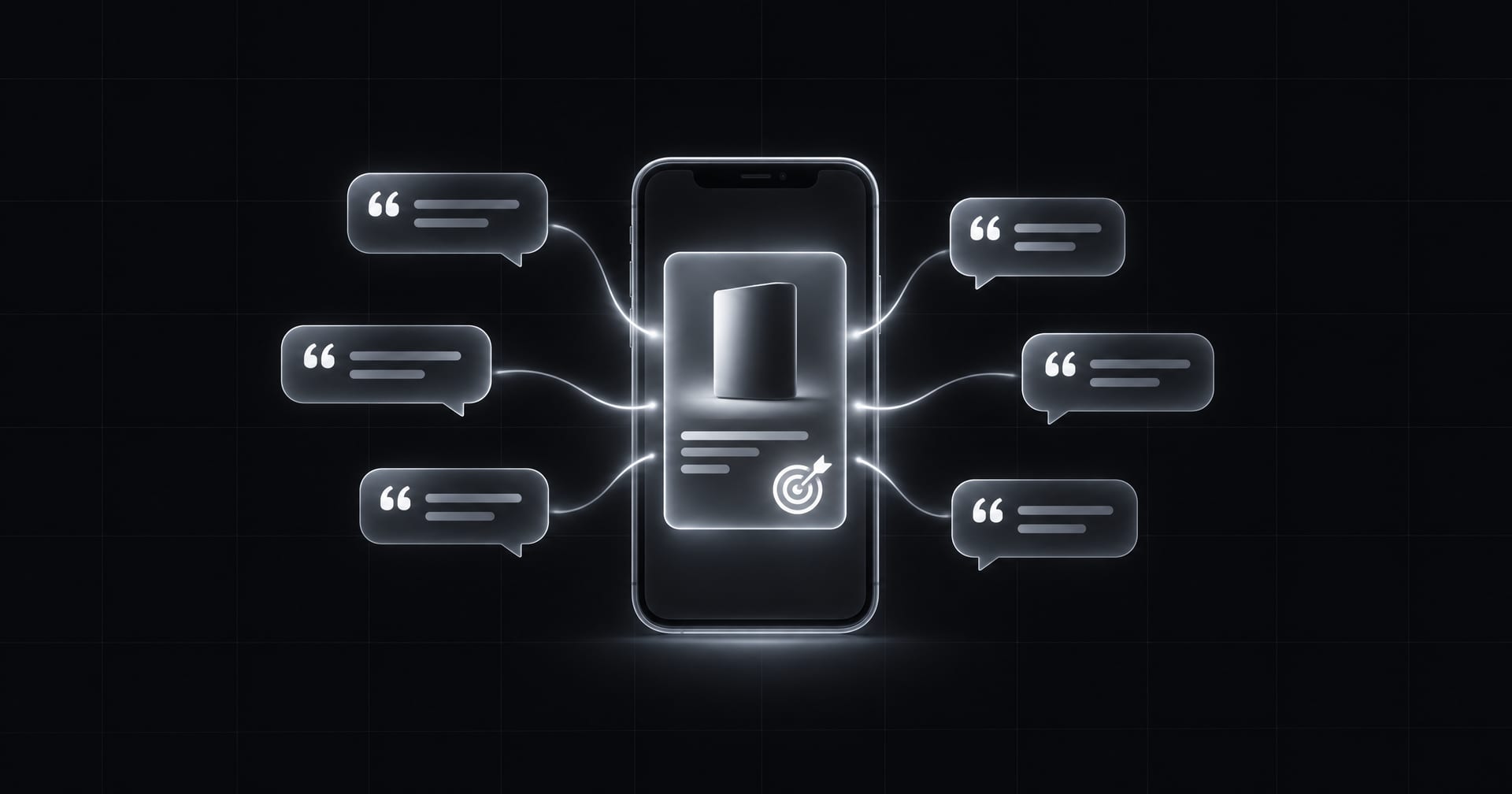
Start with research. Take your closed sales calls, 10, 20 or 30 of them, the more the better. Put the transcripts into AI and pull out the number one, two and three problems people come to you with, together with the exact quotes of the clients who bought. The method is in more detail in the post on building a customer avatar from sales calls.
With that, the first nine tiles get three jobs.
Job 1: dig into the problem
Show the person what it costs them to keep putting the problem off. Nobody solves a problem that does not hurt enough. Content that makes the consequences clear builds the motivation to act.
Job 2: demonstrate expertise and show client stories
You don’t build an expert position by saying you are an expert. You build it by demonstrating it: useful, specific advice for the exact situation your ideal client is in.
The second half of expertise is client results, best told as a story in three parts: before, during and after. What their life looked like before they joined, what objections they had, how you worked together and what they achieved. The person on your profile should see themselves in those stories.
A side note on collecting them. The best moment to ask for a testimonial or a review is when a client has just had a win and is excited about it. A group for clients, for example on WhatsApp, used only for sharing wins, gives you a steady supply of stories. Collect new ones every week, because they are your proof that what you say works.
Job 3: handle objections before the call
The best way to handle a sales objection is before it comes up, ideally before the person is on a call with you. More people show up, and fewer of them bring objections.
Take, for example, the transcripts of your last 100 sales calls and ask AI to:
- List every single objection that came up.
- Attach the exact quotes to each one.
- Group them into categories and show you the top three or top five.
In my experience, around 80% of objections come down to the same two or three. If people often say they have no time, don’t like the gym, or feel that 3,000 zł is a lot of money, make content that builds a different belief. Everything you know about handling objections on a call belongs in your content.
Highlights: the same three jobs
Pinned stories work the same way. Create dedicated stories for each job and pin them. The first circle matters most, because that is where people most often start watching.
4. A lead magnet that continues the same story
The last piece of the profile is the lead magnet. It should be exactly what your ideal client needs at this point in their journey, and it should continue the topic of your best performing follower ad.
If your best ad promises a specific result in a specific way and invites people to follow to learn how, the lead magnet should go one step deeper into that same promise. Ad, call to action, profile and lead magnet should be one process built for one avatar, one main problem and one goal: building as much motivation to change as possible.
Then the bio ties it together. Say clearly who you help, with what problem, to reach what goal and by what means. End with a call to action, for example:
Message me START and I’ll send you [lead magnet].
People with a strong enough intent to message you for it are the ones you want to catch right away and move to a call.
5. The first message to every new follower
Here is the part most funnels miss: most new followers never write first. If you have no system that reaches out right after someone follows from an ad, you lose a lot of clients. Someone who follows you on a Wednesday evening may be feeling the problem most at exactly that moment. A message at the right time, with the lead magnet, catches that.
The opener that works well for this is a choice between two gifts tailored to your audience:
Hey, which would help more right now: [lead magnet A] or [lead magnet B]?
The person picks the gift they want, and the relationship starts with you giving something first. From there, the conversation moves toward qualification and a booked call.
Keep the opener short. In Setor’s study of welcome messages, openers of up to 8 words beat longer ones on 81% of the accounts that tested both, and a question beat no question on 63%. More on writing it in the guide to the Instagram DM opener.
Where Setor fits
Setor works on stages 4 and 5. It sends a welcome message to every new follower, replies when someone messages you for the lead magnet, qualifies the lead and books a time on your calendar. In the last 90 days, 2,573 of the 5,078 calls booked through Setor started with a welcome to a new follower, about half.
It also shows you the numbers for the stages above it. You see what share of new followers reply and what each booked call costs, so you notice when a new ad stops matching your profile.
FAQ
What is an Instagram sales funnel? The path from an ad to a sale: a follower ad brings people to your profile, the profile and lead magnet build motivation, and a DM conversation leads to a booked sales call.
Where should you start fixing an Instagram funnel? At the top. First the follower ads and cost per follower, then the profile, then the lead magnet and the first DM. Only then the script, show-up rate and close rate.
What should be in the first nine posts on a profile? Content that does three jobs: digs into the problem, demonstrates expertise with client stories, and handles your most common objections before the sales call.
What lead magnet works best on Instagram? One that continues the topic of your best follower ad and fits the stage your ideal client is at. Offering a choice of two in the first DM gets the conversation started.
Where the numbers come from
- Cost per follower (2 to 3 zł on fitness offers around 3,000 zł) and “80% of objections come down to two or three”: my own practice with Setor clients and high-ticket offers, not a study.
- Welcome openers: Setor’s study of 292 welcome versions on 91 accounts and 723,857 sends, comparing only accounts that ran both versions. Read on November 2, 2026.
- Calls from new followers: Setor database, read on November 2, 2026. The last 90 days, 5,078 booked calls by source, excluding merged, cancelled and imported calls.
Want every new follower to get a message that starts a conversation? Start now and see how Setor would run your DMs. If your next step is the content itself, read the Instagram content strategy for high-ticket offers.