
Which Reel Actually Makes Money? Follows, Calls and Cash for Every Reel
Instagram shows at most how many people followed you from a Reel. Setor counts them person by person and shows follows, booked calls and cash collected for every Reel.
 Alex GodlewskiCTO and co-founder
- 3 min read
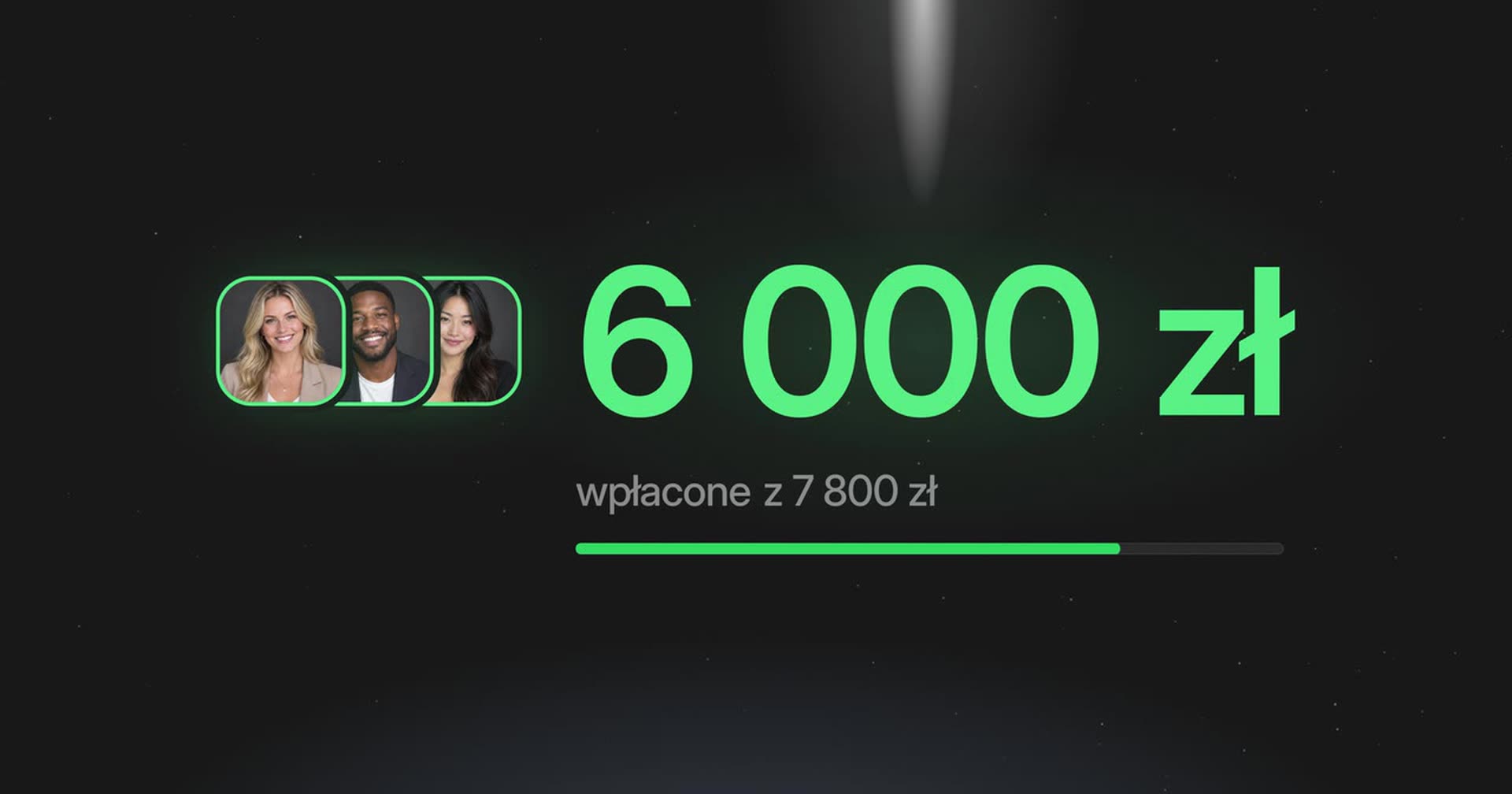
Which Reel makes money? The one that brings in people who go on to buy. Not the one with the most views. Setor now shows this for every Reel and every post: how many people followed you from it, how many of them booked a call and how much they paid.
Views aren’t money yet
Take two Reels from one account. The first has 14,000 views. It brought in 2 followers, no calls and $0. The second has 48,000 views, and 183 people followed from it. 8 of them booked a call, 3 bought and together they paid 6,000 zł (about $1,600).
On views alone, both look fine. On money, one fills your calendar and the other only fills your reach. If you keep recording Reels like the first one because it “did well”, you lose a week of work.
What Instagram won’t tell you
A Reel’s insights in the Instagram app tell you, at most, how many people followed you from it. Tools that read insights through Instagram’s API don’t even get that number for Reels. None of them tell you who those people are, whether they messaged you, booked a call or bought.
The trace is there, though. When someone starts following you, Instagram’s notification often says they did it from your Reel or from your ad. From those notifications you can rebuild the whole path: from the Reel to the payment.
How Setor counts it
The Setor extension or app reads those notifications as they come in and records who followed you from which Reel. Setor then links that person to their DM conversation, to the call they booked and to the sale recorded after the call.
We count person by person, we don’t estimate. A few rules worth knowing:
- A call counts only when it was booked after the person started following you.
- If someone followed you from two Reels, they belong to the first one. The same sale is never counted twice.
- “Cash collected” is the money that has already come in. When a client pays in instalments, the full contract value sits underneath.
- Instagram doesn’t name the Reel on every follow, so the numbers are a floor: a Reel may have brought in more followers, never fewer.
- Data starts on 15 October 2026 and is collected only while the Setor extension or app is on.
Where to find it
In Setor, go to Overview, then Reach, and scroll to the Content performance table. Every Reel and post has the columns Follows gained, Booked and Cash collected.
Sort by “Cash collected”. The Reels that make money go on top. Look at what they have in common: the topic, the first sentence, the call to action at the end. That’s your next script.
Ads work the same way in Overview, Ads, Follower Ads. There you see the people who came from each ad and what they have done since. We wrote about how to write those ads in our post on Instagram follower ads.
Where did this lead come from
The same works the other way round, for one person. In a contact’s profile, under Contact history, you see the Reel or the campaign that person came from, with the Reel’s thumbnail and a link to it.
Before the call, you or your closer know what drew them in. If they came from a Reel about three diet mistakes, you don’t open with small talk, you start from what already caught their interest.
What to do with it this week
- Open Content performance and sort by “Cash collected”.
- Write down the three Reels with the most cash and the three with the most views. Check whether they’re the same.
- Record your next Reel modelled on the one that makes money, not the one with reach.
- If you promote Reels, compare them with your ad results in Follower Ads. A Reel that makes money without promotion is a good candidate for an ad.
An AI setter replies to the people who came from your Reels, qualifies them and books calls. Now you can also see which Reels bring those people in.