How to Sell on Instagram: Shop, Link or DM Conversation
How to sell on Instagram: when to use a shop, a link or a DM conversation. What Setor clients sell, at what prices, and which opening messages get replies.
 Maciej RakCEO and co-founder
- 10 min read
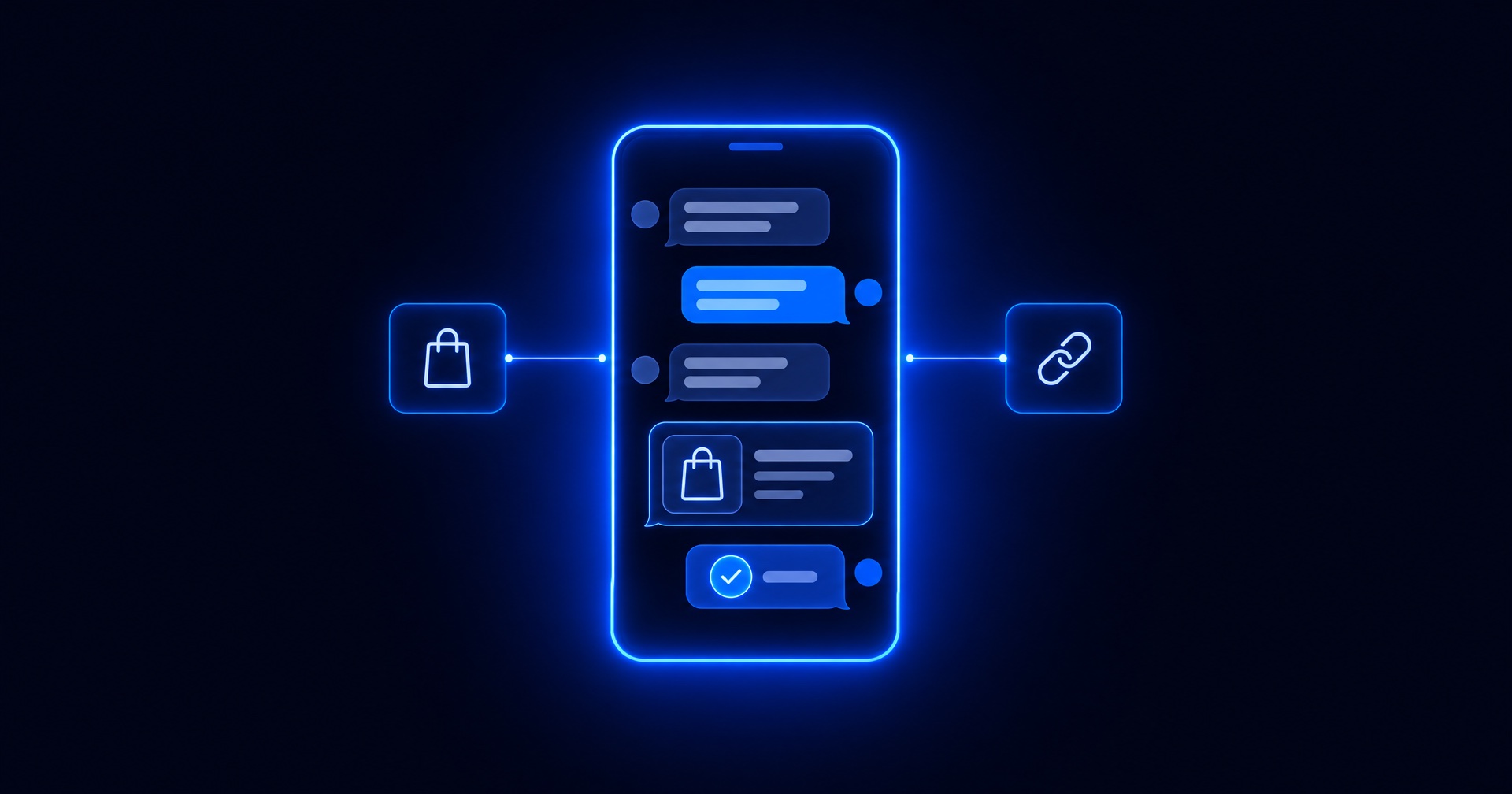
There are three ways to sell on Instagram: a shop with a catalog, a purchase link, or a DM conversation that ends in a payment or a time on the calendar. A shop suits physical products. Courses, services and pricier offers sell in conversation.
Below you’ll find the shop setup, then what other guides don’t have: what Setor clients sell and at what prices, how low-ticket offers perform, and which messages get replies.
- 592sales with an amount in the dashboard, $454k in total
- 61%of sales are priced from $270 to $810
- 81%of accounts get more replies with an opener of up to 8 words
- 24messages in the median conversation that ends in a booking
Can you sell directly through Instagram?
Yes, though not everything and not entirely in the app. Meta phased out checkout on Instagram in 2025, so a shop displays products and the buyer pays on your website. In DMs, you can send a payment link and close the sale without an elaborate sales page.
Setting up a business account and a shop is free. You pay for your website, payments and any ads you run.
How to sell products on Instagram with a shop
- Switch to a business account. Shopping features require it.
- Create a Commerce Manager account. This is Meta’s tool for your catalog and shop.
- Add a catalog. Each product needs images, a description, a price and a link.
- Connect your website. Products must also appear on your site, and Meta may ask you to verify your domain.
- Wait for the review. Instagram checks your account and shop before the shop goes live.
- Tag your products. In posts, Reels and stories.
Shops only work in supported countries. Meta’s commerce policies also don’t allow downloadable content or digital subscriptions, so a course or e-book has to sell another way.
Shop, link or conversation
| What you sell | Best route | Why |
|---|---|---|
| Physical product | Shop and website | The customer decides alone |
| Course or e-book at a low price | Link sent in conversation | You only need to match the product and answer questions |
| Treatment, visit, local service | Booking link | You’re selling a time slot |
| Course before launch | Waitlist | You collect buyers for launch day |
| Coaching, mentoring, consulting | Call on the calendar | At a higher price, the decision happens in conversation |
What Setor clients sell
The dashboard holds 592 sales with an amount, each logged against a booked call.
| Industry | What it sells | Sales | Logged amount | Typical price |
|---|---|---|---|---|
| Fitness and body transformation | Online coaching, 1:1 programs | 484 | $237k | $405 to $648 |
| Training and mentoring | Mentoring, trading and e-commerce training, courses | 90 | $193k | $270 to $3,243 |
| Coaching and therapy | Sessions and programs | 12 | $17k | $1,081 to $1,486 |
| Other | Other services | 6 | $5.6k | $810 |
Typical price is the range of medians on the largest accounts in each industry. More stories are on the client results page, and fitness and online courses have their own pages.
How much sells at what price:
| Sale price | Sales | Logged amount | Share of money |
|---|---|---|---|
| Under $135 | 41 | $3.1k | 0.7% |
| $135 to $270 | 57 | $9.3k | 2.1% |
| $270 to $810 | 362 | $191k | 42.2% |
| $810 to $2,700 | 86 | $100k | 22.2% |
| $2,700 and up | 46 | $149k | 32.8% |
The whole last row is one mentor’s account, selling at $3,243. It shows how much price matters: those 46 sales brought in more than 10 times as much as the 98 sales under $270.
How clients sell most often
We see four paths. The first one dominates.
- A call on the calendar. Setor asks questions, qualifies and offers a time, and a person sells on the call. 47 of the 48 accounts with a booked call in the last 90 days have a calendar link set up, and 29 describe the call as free. Example: a personal trainer, with 158 sales and $87.5k in the best 30 days.
- A link in conversation. The lead writes, Setor matches the product and sends the link. Example: courses for parents of infants.
- A booking link. Example: a teeth whitening clinic, with 13 visits in the best 30 days.
- A waitlist. Example: AI courses, with 89 sign-ups in 30 days: 6 booked a call about implementation and almost all the rest joined the list.
A free resource often comes first. 36 of 43 active accounts have one set up, most often a guide or PDF.
Selling low-ticket offers: what the data shows
Low ticket works in DMs, but the math differs from a pricier offer.
- Sales under $270: 98 sales across 7 accounts, $12.5k in total. That’s 17% of sales and 3% of the money in the dashboard.
- Smaller amounts on fitness accounts: three accounts have 85 of these sales worth $10.1k, next to sales above $270.
- Courses at under $100: the account selling courses for parents had 6,372 Instagram conversations in 90 days and 51 purchases confirmed in DMs. Its store reported 325 orders since June, including orders from outside DMs, with a median dollar order of $94.
- A course with a discount code: a maths tutoring account sold an exam prep course with no calls. It asked who was writing and what they struggled with, showed the course and sent a link with a code.
At a price of $94, one confirmed purchase takes about 125 conversations. That volume doesn't pay to handle by hand, so a cheap product needs automation or AI.
For comparison: a mentor for experts had 7,540 conversations and 280 booked calls in 90 days, and logged 12 sales worth $38.9k in the best 30 days. The conversation count is similar, but each one is worth far more.
Where to get conversations
| Source | Calls in 90 days | Logged sales |
|---|---|---|
| New followers | 2,573 | $140k |
| Comments | 1,424 | $55k |
| Direct messages | 457 | $17k |
| Lead forms from ads | 431 | $3.4k |
New followers. Someone has just followed you, so the topic is fresh. A welcome message gets a reply 30.3% of the time, and 44.1% on the top tenth of accounts.
Comments. Ask for a word under a Reel and send the material by DM. The automation runs in 3.5 seconds, and 31% of runs move into a conversation with the AI setter.
The first message: what gets a reply
We analyzed 292 welcome versions from 91 accounts and 723,857 sends. We only compare accounts that ran both versions, because otherwise the better account simply wins.
| Opener feature | Accounts | Better with it | Difference |
|---|---|---|---|
| Up to 8 words | 32 | 81% of accounts | +6.2 pts |
| A question | 16 | 63% of accounts | +4.4 pts |
| 16 to 25 words | 30 | 33% of accounts | −3.9 pts |
| 26 to 40 words | 12 | 8% of accounts | −7.0 pts |
| A thank you | 37 | 24% of accounts | −2.7 pts |
| Mentions the follow | 39 | 26% of accounts | −2.4 pts |
| Emoji | 24 | 25% of accounts | −5.2 pts |
The formula is simple: short, with a question, and no thanks for the follow. Three examples:
- Hey, training already or just starting out?
- Hey, what are you trying to figure out?
- Hi, looking for help or just browsing?
How to run the conversation
A DM sale rarely ends after one message. When the lead writes first, a conversation that ends in a booking has a median of 24 messages, 14 of them from the lead, and takes 4.4 hours. One in four gets a time within 54 minutes.
- Ask before you offer. The lead should write more than you do.
- Qualify early. In 90 days, 17,935 people were filtered out, 97 in 100 by the setter itself, before reaching a closer’s calendar.
- Offer a specific time. A real open slot works better than a general invitation to get in touch.
- Come back after a few hours of silence. 40.1% of Instagram bookings came after the lead replied to a follow-up, with a median of 2.8 hours from follow-up to booking. Those calls brought in 46.7% of the logged amount.
A reply tree can’t carry that. That’s why Setor clients hand it to the AI appointment setter, which waits for the lead to finish writing, understands voice notes and books open slots on the calendar.
When people book
| Day | Booked calls in 90 days | |
|---|---|---|
| Monday | 866 | |
| Tuesday | 719 | |
| Wednesday | 652 | |
| Thursday | 588 | |
| Friday | 649 | |
| Saturday | 690 | |
| Sunday | 915 |
Sunday is the strongest day, and the daily peak comes at 21:00. In total, 68.8% of calls get booked outside 9:00 to 17:00 on weekdays. The money follows: calls booked outside those hours brought in $160k of the $246k logged, or 64.9%. A team working 9 to 5 misses most of this traffic.
FAQ
Is it free to sell on Instagram?
The account and the shop are free. You pay for your website, your payment provider and any ads.
Can I sell on Instagram without a website?
An Instagram shop requires a website. Without one, you can sell through a DM conversation and a payment link, or book calls on your calendar.
What sells best through DMs?
Offers where the customer wants to ask something first. In Setor’s dashboard, 61% of sales are priced from $270 to $810, and most of the logged money comes from online coaching and mentoring.
Is it worth selling cheap products through DMs?
Yes, if automation or AI runs the conversations. One confirmed purchase at about $94 took about 125 conversations.
What about the formalities?
Regular sales usually require a registered business, terms of sale and consumer information. Ask an accountant or lawyer what applies to you.
Where the numbers come from
Read from Setor’s database on November 2, 2026, read-only, aggregates only, no account names. Amounts converted at 3.7 PLN per USD and rounded down.
- Sales and prices: won calls with an amount, accounts billing in PLN, the full history in the dashboard. Sales without an amount aren’t counted. Industries assigned by hand from the account description.
- Sources and weekdays: last 90 days, 5,078 calls across 48 accounts, excluding merged, cancelled and imported calls. Warsaw time.
- Amount outside hours: bookings made through Setor from Sep 11 to Nov 1, 2026. A sale is assigned to the moment of booking, not the purchase.
- Follow-ups: 1,474 of 3,675 Instagram bookings, from Sep 25 to Nov 1, 2026. The lead wrote after the follow-up and before the booking.
- Course purchases: the account marks a purchase once a parent confirms it in conversation. The median order comes from that account’s store.
- Account settings: the 48 accounts with a booked call in the last 90 days, counted by words in their calendar and free resource fields.
- Shop setup: Meta’s commerce policies and help pages. Check the current version before you start, because Meta changes them.
Try it on your own DMs. Start now and see how Setor would run your conversations. If you’d like to size the opportunity first, read how much money you can make on Instagram.